







Go Beyond The Booth with French-Electro genre-fusing DJ BRVMES!
What inspired you to become a DJ/ how did you come up with your stage name, BRVMES?
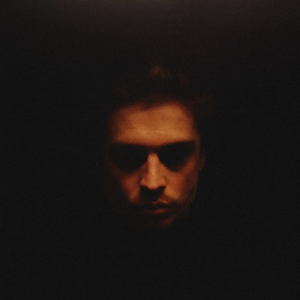
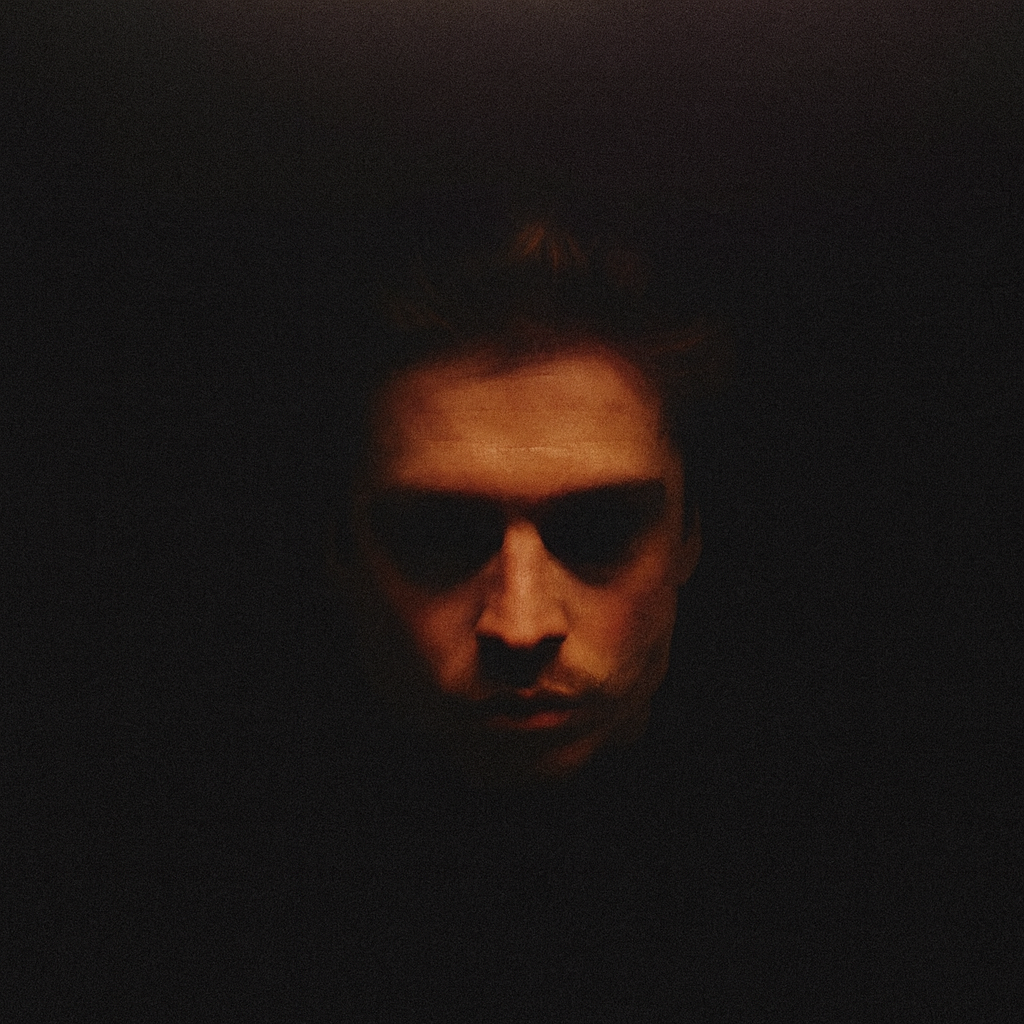
BRVMES: I don’t think I set out to be a DJ necessarily, but more so a producer. The desire to play live definitely came later. I came up with the name BRVMES because it’s derived from the French word “brumes,” meaning “misty” or “foggy,” and it immediately sets the vibe for what the project is all about. Fun fact: I only chose it if and only if Petit Biscuit gave his blessing, which he did personally, so I proceeded with the name.
For someone just discovering you, how would you describe the sound of your music to them?
B: I would definitely say dark and visceral, but also a bit groovy at the same time.
What ongoing influences or experiences continue to shape your sound as you grow within the music industry?
B: Vintage cinema continues to shape a lot of what draws me in creatively. Films from the ’60s and ’70s have a unique atmosphere that feels largely lost today, and they always push me toward making something darker and moodier. Lately, Jean-Pierre Melville’s Le Samouraï (1967) has been stuck in my head. I also pull heavily from early-2000s runway shows, and in a way, every track I make still has to feel ‘runway-ready.’
How does French Electro compare to the US style of music?
B: I think the origin story of French Electro has a lot to do with it. The “French touch,” as it is called, has a certain feel to it, to the point that France added it to the national inventory for UNESCO’s World Heritage list last year. It’s really difficult to pinpoint, but in my opinion, France has just been king of the sound from the start, and it’s rich with its own flavor. The US style of music today is just in a different place, but over time, I have seen it becoming more and more mature and Euro-centric, with harder genres and more “French touch” influences. I have always just seen French Electro as the grandfather of electronic music.
For someone trying to make it in the music industry, what advice would you give them?
B: The number one thing is to ensure that you are having fun making music and to make it for yourself. If it turns into a race or a way to please others, then it’s for all the wrong reasons, and the motivation will fizzle out very quickly. I would also caution against chasing genres that are popping or trying to race to remix the latest big house track. These can work, but a lot of it is short-lived.
Ultimately, it depends on the artist’s goal, too. There are some who just want to go viral and others who want to stick around and create all originals, but each path has its own methods that work in today’s social-media-ridden climate. So my advice really will vary depending on what they are after in the music scene.
It can be from any genre, but who would you love to collab with and why?
B: I would say Lorn. He has insane production chops, but also is so unique that I think I would pick up a lot from working in the same studio as him.
What is your process when collaborating with different artists, and how do you approach blending your style with theirs?
B: My process is really centered around talking about what we both like. Eventually, something comes of that, and we both know what gets us hyped and energized, and then taking that momentum right into the studio session really helps something sound nice afterwards.
How will you know that you have “made it in the music industry”?
B: That’s something I think about often to try to keep myself grounded. If I asked my younger self, I’d probably say I’ve already made it, but the goalpost keeps moving. At this point, ‘making it’ looks like touring or playing festivals I once attended as a fan.
How has it been releasing music on the Hypnovizion label?
B: It has been really awesome, the Hypnovizion team is amazing and really white-gloves the release experience, and they do an amazing job including me on the label. I have released through a few different labels before, where it’s very transactional, but the Hypnovizion team really folded me into their culture, which has been a great feeling.
What was your inspiration for DOOM?
B: DOOM’s inspiration was a bubbling up of a large production phase for BRVMES while overseas. I was making a ton of music in all genres, and I finally just honed it all back in, leveled out all my experience, and finished DOOM (and many other similar tracks) at once. I then compiled a body of work that I can really say resembled the BRVMES sound by 2026.
What other labels would you want to release music on?
B: I am a big fan of Boyznoise Records and would love to team up with them. Additionally, OWSLA for nostalgic reasons, and lastly, I would say the Parisian label Zone, run by The Hacker.
When you got told you would be opening for REZZ in Houston, how did that experience influence your growth as an artist?
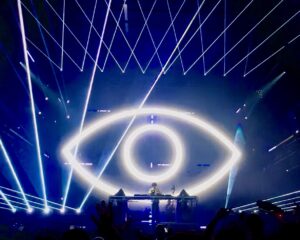
B: I think this cemented my goal to play more shows; it was on my list of to-dos as an artist for this year, and it kicked off my trajectory in this path as a performer rather than being holed up in the studio. I’ve spent the last 10 years really isolated with not much performing, so opening for REZZ was a re-centering of the whole purpose of electronic music, which is really playing out these tunes on the dancefloor – that’s what it’s all about.
Who was the first person you told that you would be opening for REZZ?
B: I told my fiancée! She knew I was coming out of my shell more as an artist and entering that next phase, and it’s only natural to share these things with those closest to you. Also, my cat is the best.
What has been the most memorable thing you have experienced since you have been in the music industry?
B: There are so many, but I really think it’s the first time hearing one of my tracks played out at a festival in person in the crowd. This experience is very wild and silences a lot of the doubts I originally had. Second, when I was starting to work in the sync licensing industry, my track Reve was used in “Billions” on Showtime.
What is your dream venue/ festival that you would love to perform at?
B: Definitely EDC. A cliche answer, but it was the first real festival I went to in 2013 – EDC Chicago, which was the first and only one in that city.
Before performing, what pre-show rituals do you do to get into the right mindset for each performance?
B: An involuntary ritual is my extreme loss of appetite, which I’ve had forever; I can never keep a meal down until after the show is over. Outside of that, quadruple-checking my 4 USBs in my pocket to calm any nerves.
How do you switch up your sets to keep them fresh for different crowds?
B: I am always plugged into my favorite tracks on Bandcamp and other streaming places, so I will always bring in my classic Braves tracks, then I export any new IDs, and last, I hit up some artist friends to see if there’s anything ultra fresh I can include. Ultimately, just having a good pulse on present stuff, but I always try to include some og throwbacks for any new ravers out there who haven’t heard those records live.
We’re thinking big picture now: if you get a documentary made about you/your music career, what are some key things that should be included & why?
B: Hands down, the importance of music education in the school system. It has been the biggest catalyst for me as an artist, and having good access to the arts and exposure to them (across all income levels). Having early access to these things really shaped who I am now and why I do what I do.
If you had an unlimited budget, what effects (visuals, lasers, pyro, etc.) would you want for your performance?
B: I’ve always wanted a very slim, minimalistic live setup for shows, and I’ve always been a big fan of 360 sets/venue set-ups. For lighting and lasers, it must be perpendicular, and, like the lights themselves, it’s vogueing.
At Moon Lvnding, we show gratitude every day. How do you show gratitude in your daily life?
B: For me, gratitude comes from paying attention. As an artist, I try to stay present, notice the work as it’s unfolding, and not rush past moments of progress or inspiration. I also make a point to recognize the people involved and the time and care they put into the process.
How do you stay authentic to yourself while being in the music industry?
B: I try not to really compromise too much and give in to trends as easily now. I am 34 and have been raving for a long time, so I really am over chasing trends, genres, or anything flashy. My only goal is to connect with people on the dance floor while making tracks that I am genuinely proud of. Once I shifted into this mindset, it has not failed me. I find that it’s a little slower as a path, but I would choose it 10/10 times.
Where can fans discover your music?
B: Right now on all standard platforms like Spotify and Soundcloud! Planning to move a lot of my catalogue over to Bandcamp as well.
Is there anything else that you would like to share?
B: Thank you for the interview! I enjoyed the questions and hope they give a glimpse into the BRVMES project. I field a lot of questions from fans on social media, and there is a lot of curiosity, so I hope people enjoy the insights <3.
Keep up with BRVMES using the links below: