








In the grand scheme of music history, EDM is a fairly new genre, being less than a century old. Just around 50 years ago, EDM started to take shape in the United States, where house and techno were born.
The rave scene we’ve grown to love today has a special history rooted in finding community and understanding. During Pride Month, it’s beneficial to both queer culture and rave culture to reopen the discussion regarding the beginnings of EDM.
Firstly, it’s important to note that the influence of electronic dance music comes from all over the world. The sounds of other countries and cultures shaped many genres popular in America’s current EDM scene. Music has always come from a diverse network of races, cultures, and social groups working together to create something new.
Before the United States
American EDM genres today take shape from the sounds of the UK, Jamaica, and New Zealand, among other countries. Here, mostly house and techno are addressed, but many more genres are rooted in LGBTQ+ and POC culture and spaces.
EDM’s beginnings date back to the 1940s in Jamaica, starting with sound system culture and the dub genre. Once this sound reached the U.K., around the 90s, it became more electronically manipulated, creating garage and then dubstep.
Eventually, Jamaican sound system culture made its way to New York, then to Chicago and Detroit. Meanwhile, disco took over as the mainstream genre in the United States throughout the 70s. With New York and Jamaica’s influential sounds, Chicago and Detroit disco further evolved in two distinct directions: house and techno.
House
One of the most mainstream or well-known EDM genres is house. House music found roots in Chicago’s music scene. The rise of house and techno represents a shift from the disco days into something more musically diverse. Interestingly enough, house music got its name from a historic Chicago venue, The Warehouse.
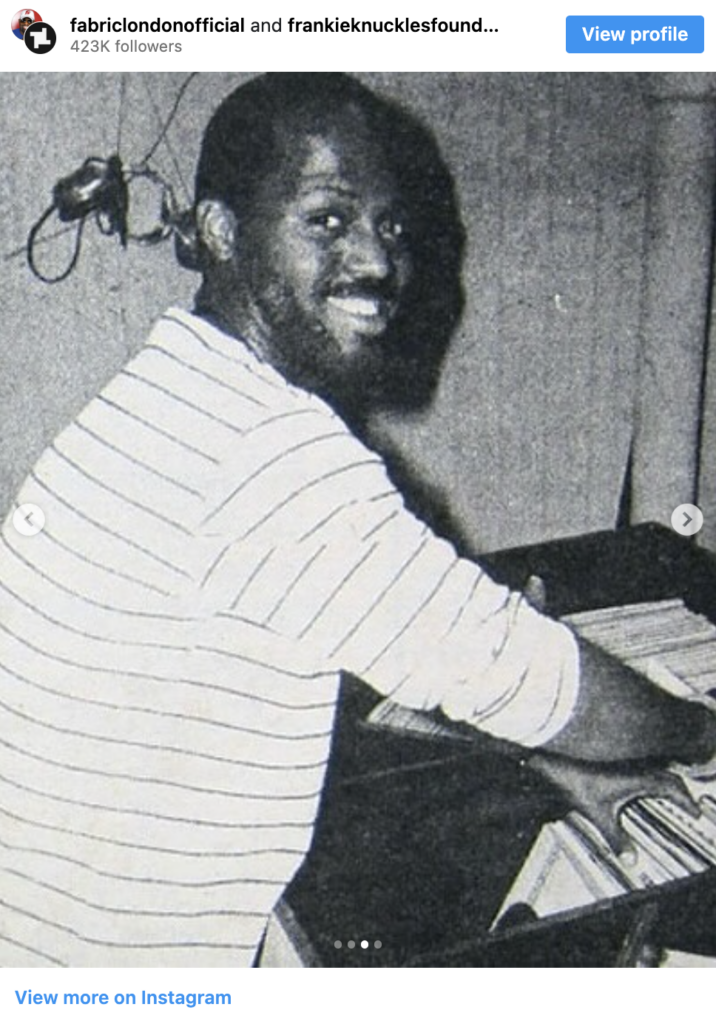
The Warehouse was a members-only space for queer men to express themselves through dance and to find community with others. One of the most active clubs for LGBTQ+ people, it was a hotspot for this new wave of music. DJ Frankie Knuckles, often regarded as the “Godfather of House,” packed The Warehouse full from the 70s to the 80s. Bringing New York musical roots to Chicago’s South Side, he greatly contributed to what is known internationally as “Chicago house.” His influence over house music’s sound and its culture is everlasting. But he didn’t do it alone.
Queer women also built the foundation of this new, underground subculture of music, but often disappear from its history. DJ Sharon White, a bisexual woman from New York, experimented with every edge of house and disco. Beginning as a radio DJ playing every genre, she eventually bled into the disco scene as one of the very few female DJs. Her ability to blend genres is wildly impressive, and her love for music is evident throughout her career. She was even the first female Billboard reporter.
Stacey “Hotwaxx” Hale is a lesbian and the “Godmother of House,” despite her Detroit roots, where techno flourished in America. She was the first woman to spin house music on public radio. Also with an undeniable talent for blurring the lines between genres, Hale dazzles any venue or crowd. Inspired by popular Detroit genres like Motown, R&B, and funk, she injected house and techno with a taste of home. Hotwaxx’s ability to jump between genres served her well throughout the rise of EDM. Not only was she a powerhouse in house music, but also in techno.
Techno
Techno created an edgy juxtaposition against house’s signature sound, offering a new selection of music for club goers. It was grittier, more hardcore, and meant to keep you going until sunrise.
Ken Collier was one force that brought disco’s sound from New York to Detroit. From the 70s to the 90s, Collier rode the new wave of music, getting his hands on every trending genre. He built the bridge between New York disco and 90’s Detroit house, developing the “progressive” genre in the process. Progressive would be the last musical stepping stone before techno was born.
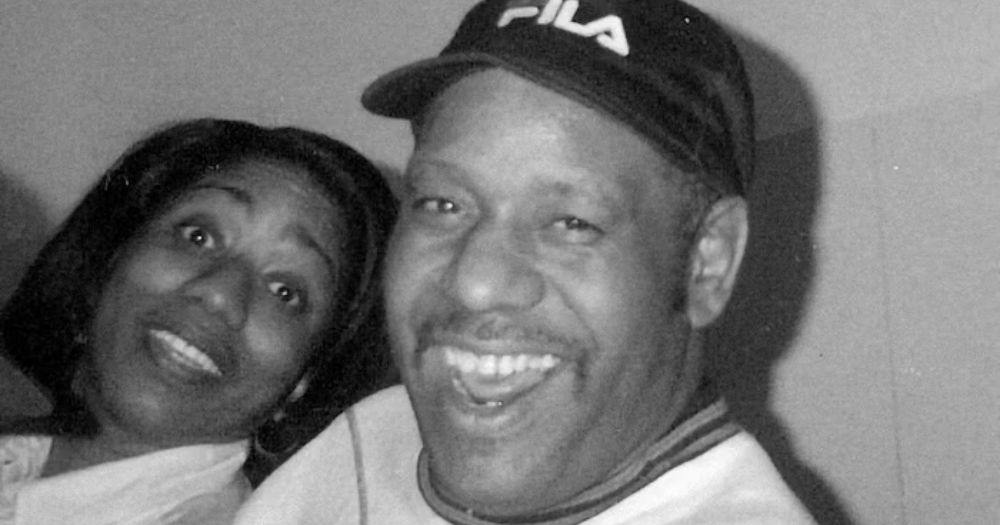
Collier’s ever-changing techniques and passion for new mixing methods made him one of Detroit’s most innovative disc jockeys. As his career progressed, he earned residencies at all the biggest venues, including Detroit’s Studio 54 (a smaller version of the famous NY club). His brother Greg Collier was also a gifted gay musician who spun on the soul side of popular music.
One popular club for techno-seekers was Cheeks. The club possessed a more eclectic crowd than other techno hotspots. The crowd wasn’t all gay or all straight; it didn’t matter where anybody came from – they all craved music.
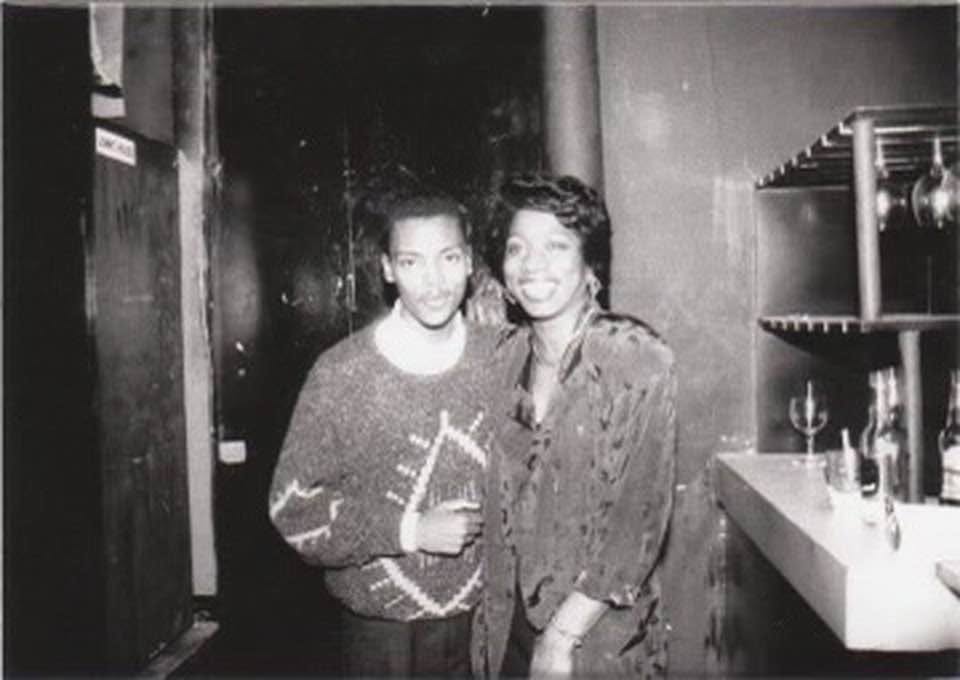
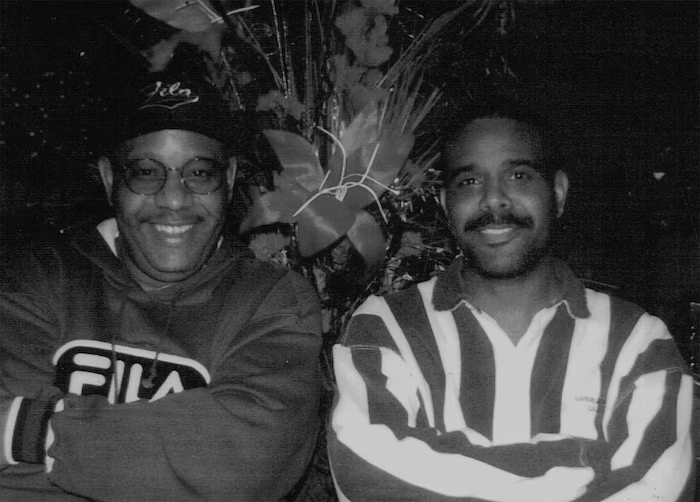
Now known as the “Ambassador of Techno,” John “Jammin” Collins was one of the resident DJs hired to entertain. There, he met Hotwaxx Hale – after she too became a Cheeks resident DJ. Their energy was entrancing and electrifying. Together, they established the Monday night gay party at Cheeks, where they tried out their newest records.
Iconic venues like The Warehouse, Cheeks, Studio 54, and Club Heaven heavily impacted the first wave of DJ talent. Additionally, the ever-changing soundscape of music and genre mixing provided lesser-known DJs with a multitude of paths to continue down. Jeff Mills, a foundational force in techno, who also resided at Cheeks, credits DJs like Collins and Hale for inspiring him through his artistic journey.
EDM Today
Jeff Mills, Green Velvet, and Carl Cox stood at the forefront of Techno’s 2010s era. Mills and Cox, still prevalent in EDM today, were also among the great pioneers of the genre. Now, techno powerhouses Anyma and Sara Landry run the scene with incredible visuals, high-energy live sets, and spectacular crowd control. The techno scene, birthed in Detroit, continues to thrive there and across the ocean in Berlin, Germany. Hotwaxx Hale often plays sets in Berlin these days.
Avicii, Kaskade, and The Chainsmokers held down the house genre and continued bringing EDM to the radio and Billboard charts. Today, house remains one of the most widespread EDM genres, introducing more and more people to raving each year.
Skrillex introduced dubstep to the mainstream in the early 2010s, with heavy hitters Excision and Subtronics further driving the movement. These three took the sound of dubstep and helped develop the popular sub-genre, Brostep. Wooli, Crankdat, and Knife Party are some names that rose to the top of brostep rankings.
The list of people who contributed to the early innovations of house and techno in America is lengthy and diverse. Although they each gave something different to music, their collaborative impact is everlasting. It’s hard to know where EDM will go next, but it’s important to remember where it came from first.