








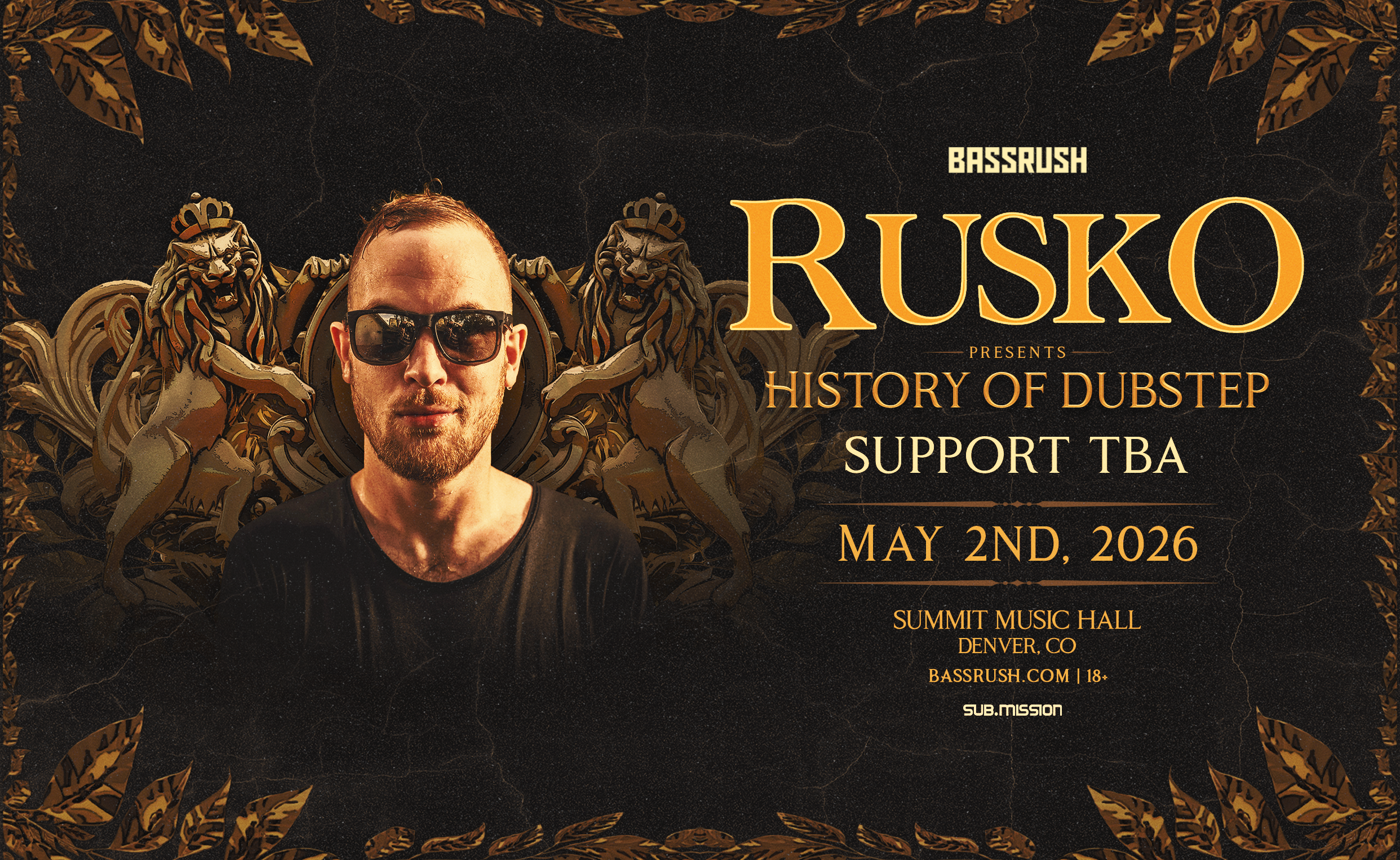
Dubstep is currently one of the most popular EDM genres, especially in the US. Its journey across the Atlantic has been well documented, but it rarely comes full circle like this. On Saturday, May 2, one of the pioneers of that revolution, Rusko, lands in the bass capital of Denver for a special “History of Dubstep” set. Plastician and Joe Nice will be joining Rusko, as well as some of the Sub.mission residents. This set is being presented by Bassrush and Sub.mission at Summit Music Hall.
A Brief History of Dubstep
Dubstep’s roots stretch back to the early 2000s in South London. It was created using elements of UK garage, grime, drum & bass, and Jamaican sound system culture. Built around 140 BPM, the genre quickly distinguished itself with deep low-end basslines, syncopated rhythms, and a brooding, minimalist aesthetic.
At the center of its early development was Croydon’s Big Apple Records, where figures like Skream, Hatcha, and Artwork shaped the sound while working behind the counter. Hatcha helped push the sound beyond the record shop through the pirate radio station Rinse FM and a club night called FWD>>. In Brixton, Digital Mystikz were doing the same with their DMZ club night.
The breakthrough moment arrived in 2005 when Skream released the genre-defining track “Midnight Request Line.” It helped push dubstep out of underground circles and onto BBC Radio 1. In January 2006, Mary Anne Hobbs aired the now-legendary “Dubstep Warz” on her Breezeblock show. This seismic cultural moment exported dubstep to a global audience almost overnight. After this, dubstep’s influence started to be heard in pop songs like Britney Spears’ “Freakshow.”
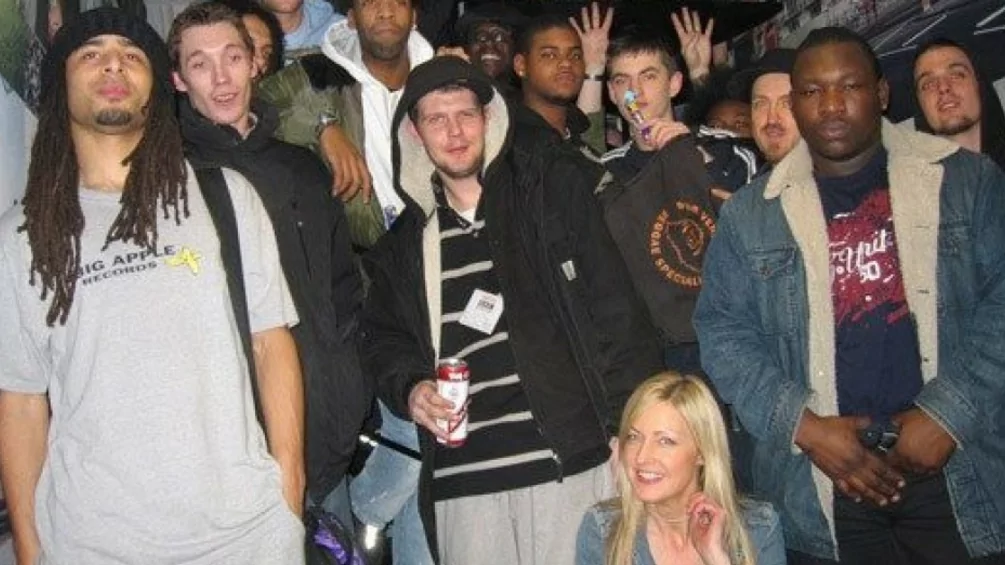
By 2010, dubstep had grown and multiplied. Platforms like the UKF Youtube channel accelerated its reach, spotlighting artists such as Flux Pavilion, Doctor P, and Nero. Meanwhile, a heavier, more abrasive type of dubstep was emerging across the Atlantic in Canada, with acts like Excision, Datsik, and Downlink leading the way.
Then came Skrillex. With Scary Monsters and Nice Sprites, he redefined dubstep for a new generation, ushering in the era of brostep. This maximalist evolution would dominate US festival culture and push the genre into pop’s orbit.
From these early beginnings, multiple subgenres have branched off, including trap, melodic bass, future bass, riddim, and experimental bass.
Rusko’s Lasting Mark
Long before dubstep’s American explosion, Christopher Mercer, better known as Rusko, was already reshaping it. Raised in Leeds, a city steeped in Caribbean culture and the sound system tradition, his early exposure to reggae and drum & bass laid the groundwork for his sound. He saw Digital Mystikz play in Leeds in 2005, and that inspired him to want to make dubstep.
Six months later, he moved to London to immerse himself in the scene at its source. His 2006 debut SNES Dub on Caspa’s Dub Police marked his arrival, but it was 2007’s “Cockney Thug” that really changed things for him. This wobble-heavy anthem signaled a shift in dubstep’s tone and attitude. Together with Caspa, he released one of the most iconic mixes in dubstep history, Fabric Live 37. This mix would go on to inspire an entire generation of dubstep producers.
He was partially responsible for the brostep movement with his debut album O.M.G.! in 2010. It included songs that every OG dubstep fan knows and loves, like “Woo Boost” and “Hold On.” He has consistently released music since 2006, with a short break from 2017 to 2018 when he was diagnosed with stomach cancer. In 2021, Rusko shifted his sound toward drum & bass, his original love, while maintaining his legacy as one of dubstep’s most influential figures.
Sub.mission
Few cities outside of the UK can claim a deeper connection to dubstep’s roots than Denver. That is because of Sub.mission. Founded in 2007 by Nicole Cacciavillano, the collective has long championed the genre’s original ethos, “move people through sound, not hype.” They are the oldest active dubstep promoter in the US.
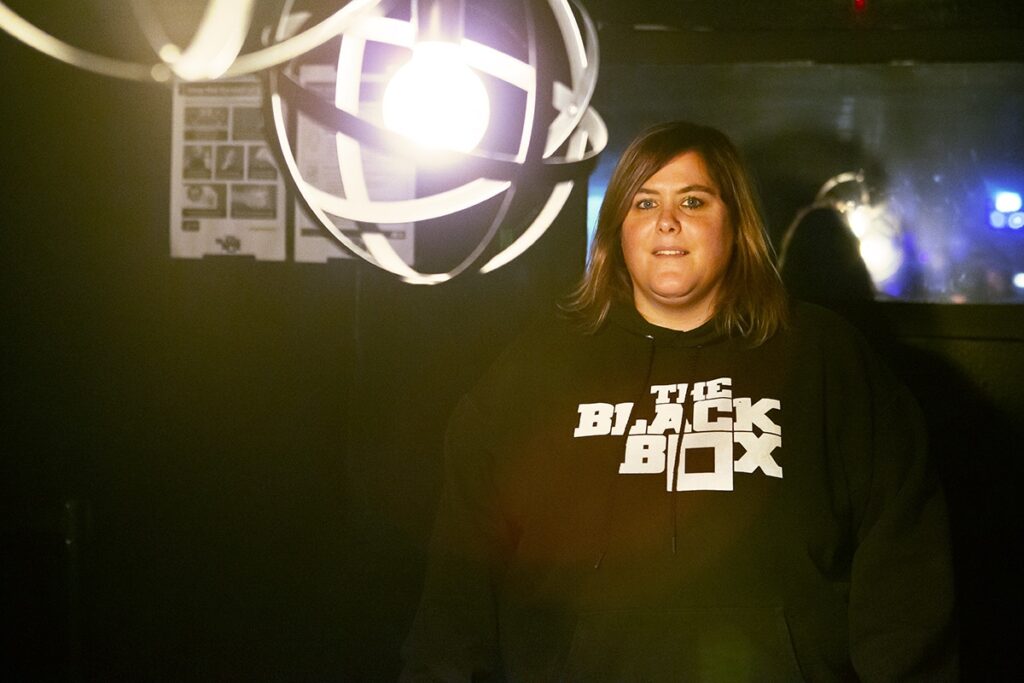
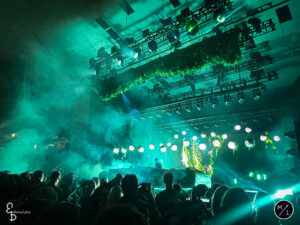
Photo by Ali Mai | [email protected]
Through its venue, The Black Box, its Sub.mission Agency, and its long-running Electronic Tuesdays series, Sub.mission has nurtured both international heavyweights and emerging talent. It was responsible for bringing foundational UK artists like Benga and Hatcha to the US for the first time. Sub.mission also helped get dubstep onto larger stages, most notably the first dubstep show at Red Rocks in 2012 with Global Dub.
If you’ve been a fan of dubstep at any point in its history, you cannot miss this show. The past, present, and future of the sound will all collide on this one night. Remaining tickets are available here. Follow Rusko by using the links below.